Alaska Pier
Gallery
img
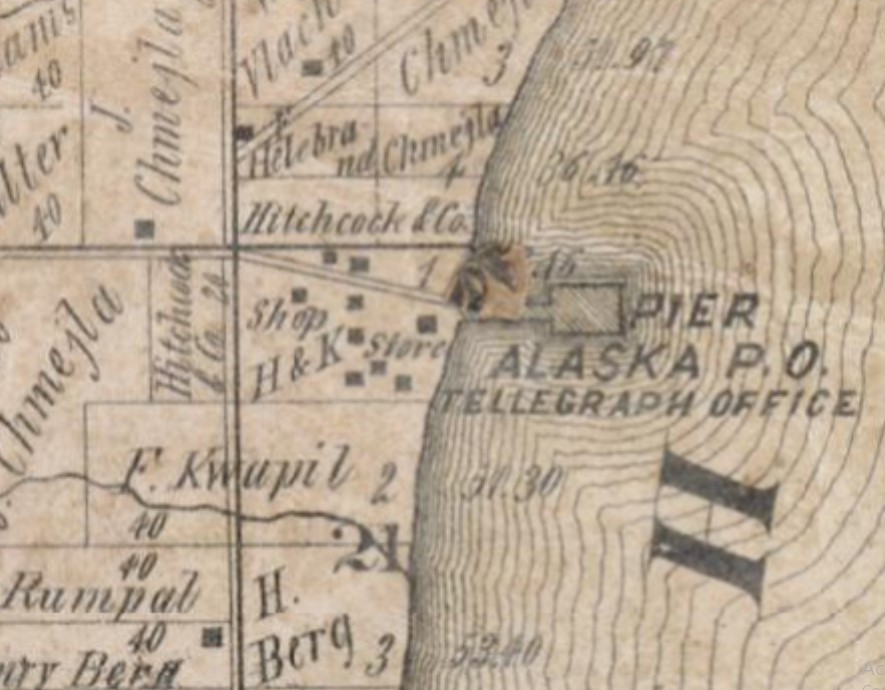
Alaska Pier 1876
img
Alaska Pier Detail
img
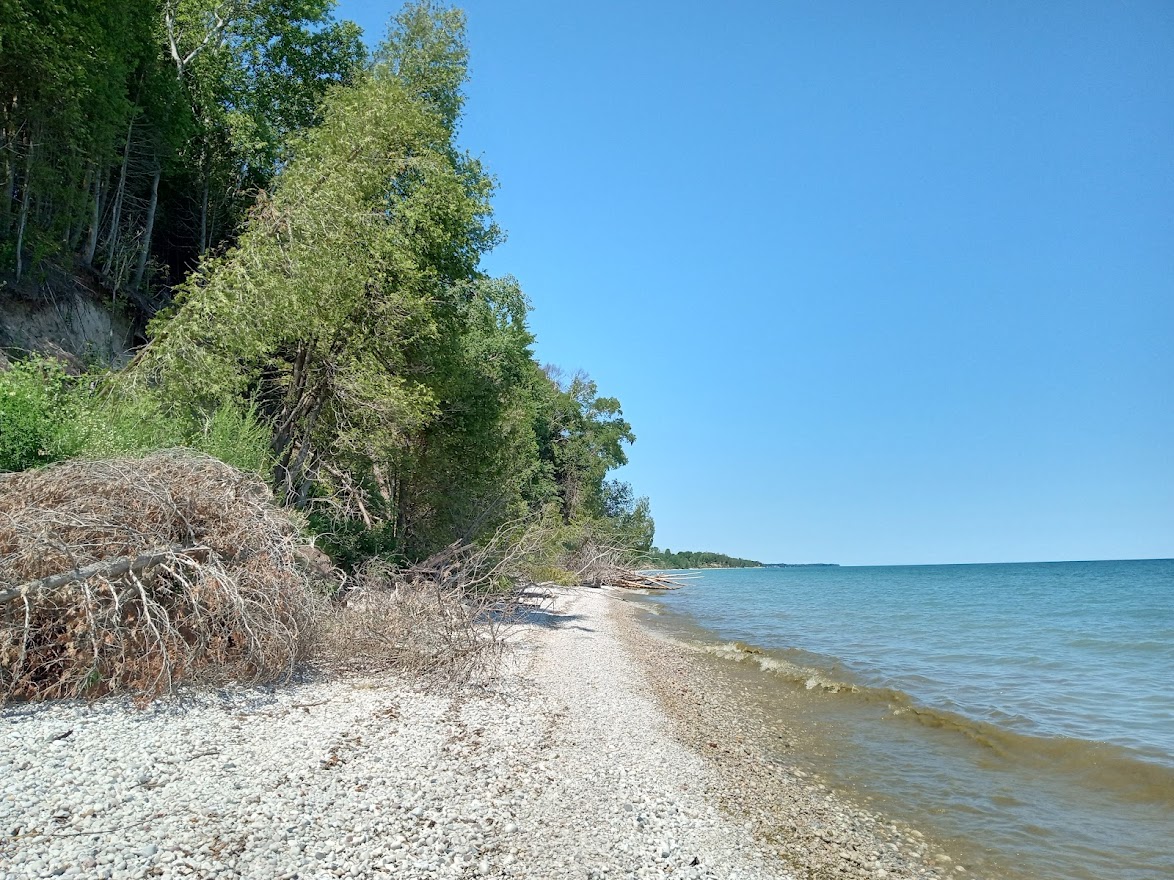
Shoreline of Alaska Pier Looking North from Mouth of Creek
img
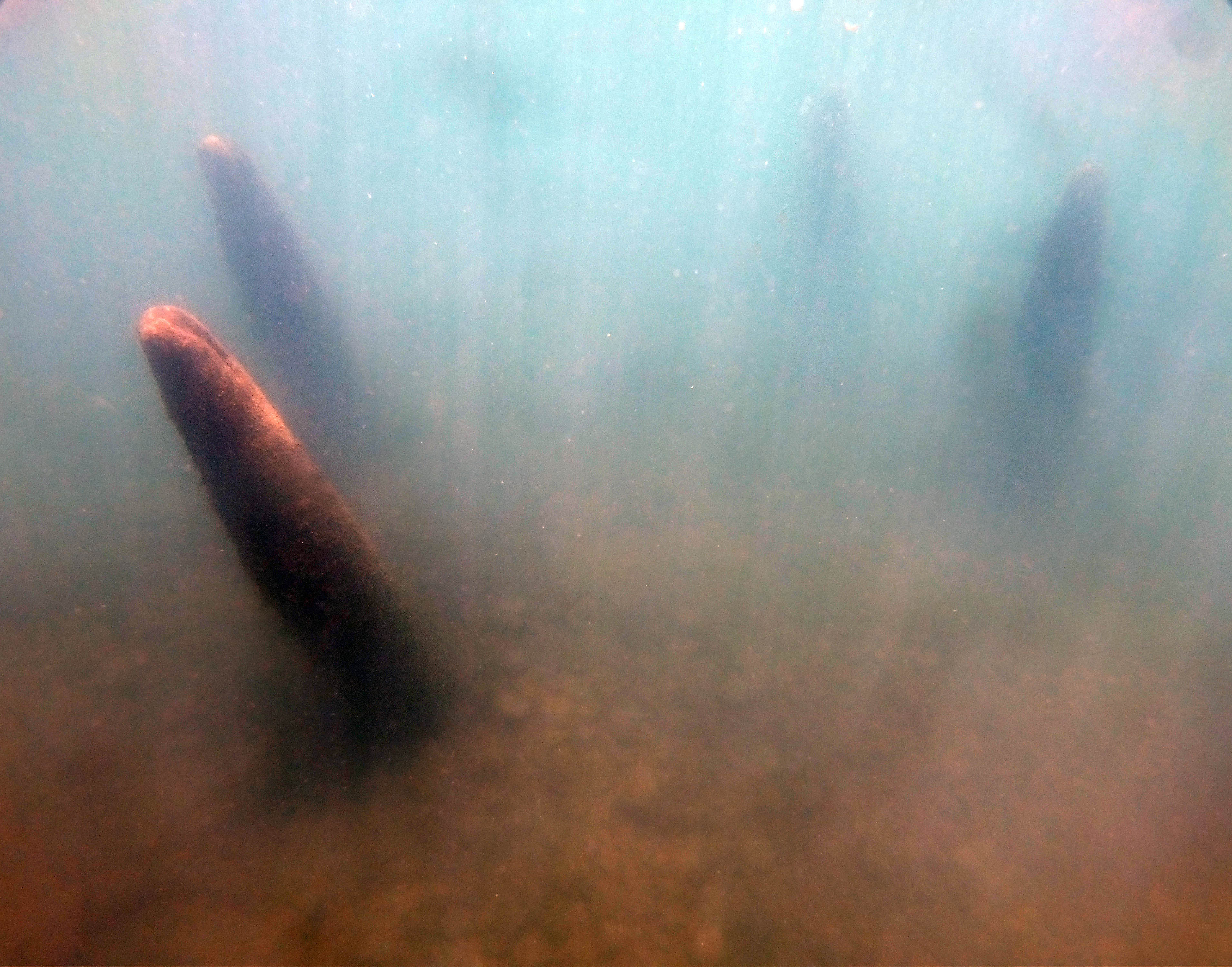
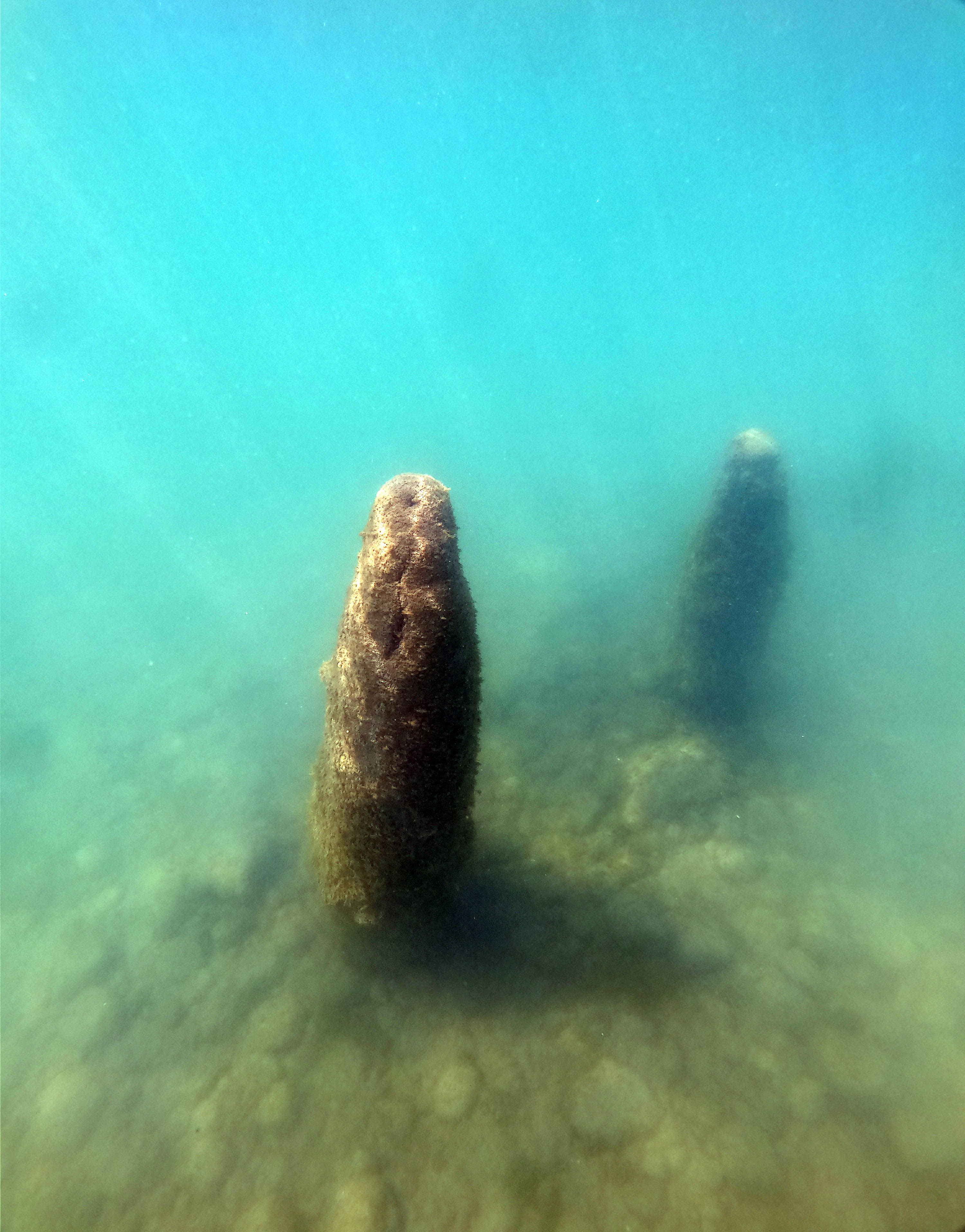
Alaska Pier Pilings Underwater
img
Alaska Pier Pilings Underwater
img
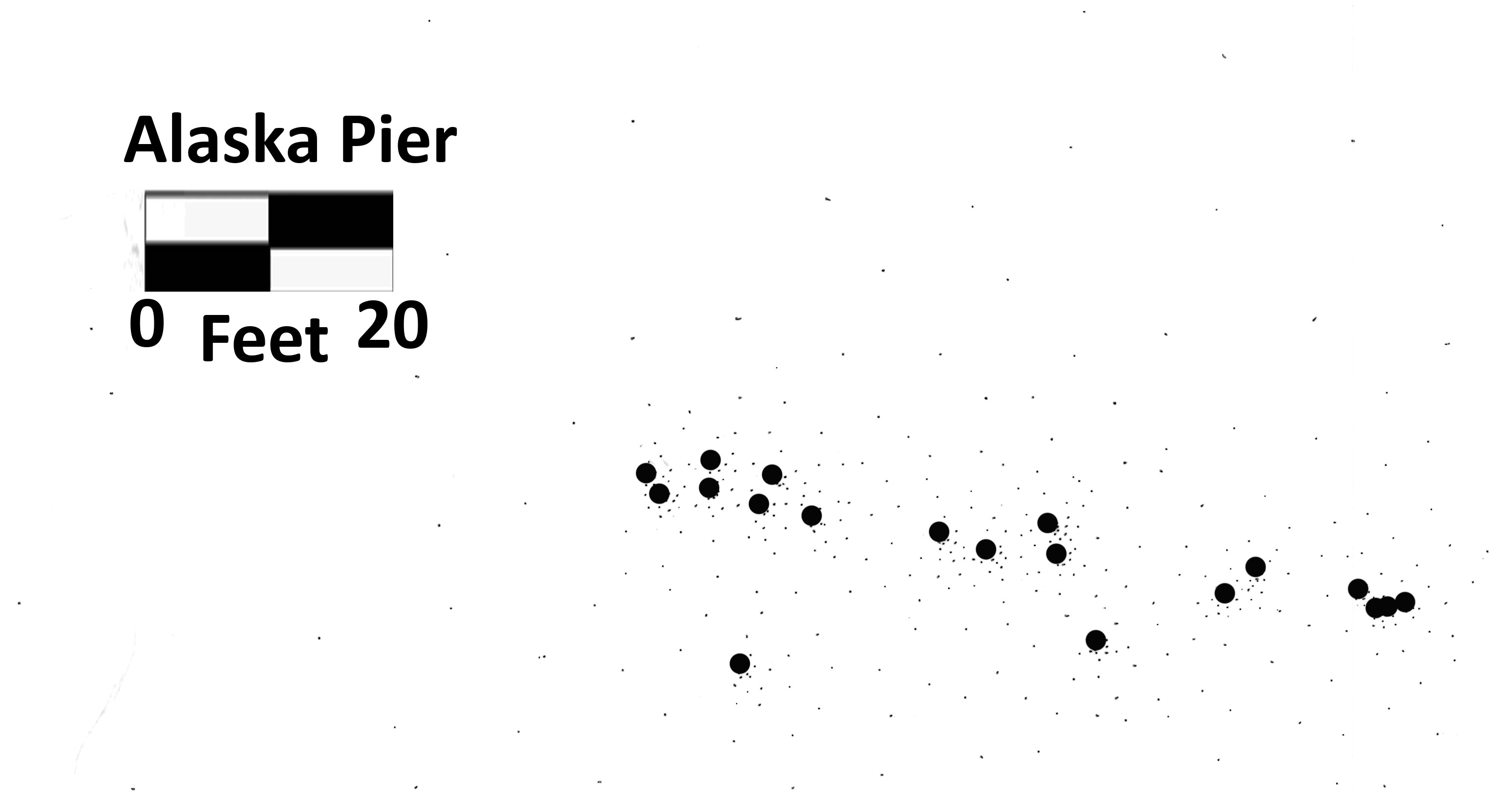
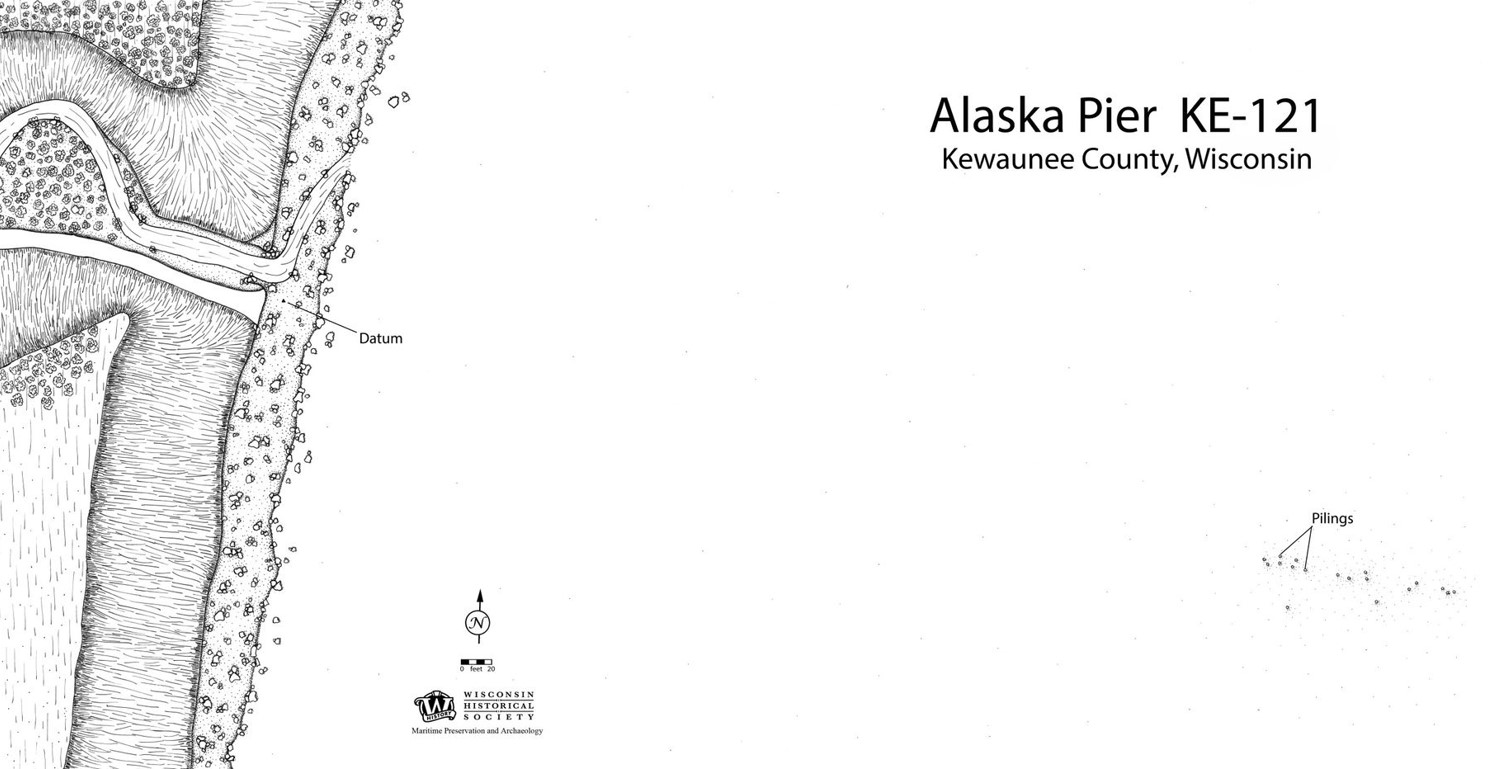
Alaska Pier Site Plan
 
Attraction
Description
Alaska Pier is located south of Algoma, Wisconsin, where a small stream empties into Lake Michigan. Alaska Pier was one of several 19th century commercial bridge piers along Kewaunee County’s shores which were used to transport goods across the coastal shallows to and from deeper waters. Alaska was one of the better-funded private commercial ports. Its backer, Hitchcock & Co., was a powerful partnership composed of some of the wealthier lumber dealers and merchants in Kewaunee—William D. Hitchcock, Walter S. Johnson, and Vojta Mashek. The three merchants all owned dry goods and mercantile stores, and traded lumber on the side. They pooled their efforts in 1867, and used their combined capital to fund construction of the pier and its support community.

Alaska Pier was managed by Vojta Mashek’s brother-in-law and former clerk Frank Kwapil. Kwapil set about building a new home for himself in the complex, while purchasing and shipping thousands of cords of bark and wood and tens of thousands of cedar posts and railroad ties each season. Kwapil also oversaw the pier store, a general goods store where customers could buy necessities such as clothing, tools, and foodstuffs for cash or barter for them with timber products.

In 1870, Hitchcock & Co. dissolved, as Mashek and Hitchcock briefly refocused their efforts on their businesses and political careers in Kewaunee. Johnson moved to Milwaukee to work for the Milwaukee Hide and Leather Company. Within a year, Hitchcock and Mashek had reformed their partnership, with Kwapil taking Johnson’s place. Kwapil was in charge of the pier in early fall in 1871, when the Great Peshtigo Fire swept towards the coast. The people of Alaska fought a furious battle to beat back the flames. The scow Alaska, waiting to assist in evacuation, was forced away from the pier, which caught fire several times before the fire burned itself out. In the end, the community of Alaska suffered only minor losses. The pier, store, and complex was saved.

Hitchcock and Mashek sold out in 1879, and were replaced by merchants Frank Shimmel and Joseph H. Janda. The new firm of Shimmel, Janda, and Kwapil owned the pier when the Anne Thorine struck a boulder and sank near the pier. It took months for tugs to free the vessel. By then, Alaska Pier was reaching the end of its life.

At its peak, Alaska boasted a large support complex of workers' housing, a blacksmith shop, the store, a telegraph office, and other buildings. At a crossroads one and a half mile due west, stood a hotel and saloon. As the lumber boom wore down, the center of business started to shift inland to the crossroads, where the modern unincorporated community of Alaska stands today. Kwapil and his partners closed down the pier store in 1880 and the post office moved inland to the new business district. The pier was abandoned and the support complex fell into ruin and vanished.

The remains of Alaska Pier lie on a heading of 100-degrees, and extend 810 feet from shore. The pier measures 35 feet wide overall and consists of at least 18 remaining pilings located in five to 10 feet of water. Remaining pilings are only visible from 673 feet to 810 feet off shore. It is likely that the lower extents of more pilings exist but are covered by sand and rocks. The spacing between the remaining pilings is inconsistent, and is likely due to multiple missing pilings.

The pier was supported by two parallel exterior rows of large diameter pilings, with a row of double pilings spaced close together running along the pier’s centerline. At the furthest outbound end of the pier remains, two clusters of three pilings are located at the end of the northern row of pilings. While it is possible that this was the extent of the pier, historic documents indicate that the pier would have continued out further from shore. It is likely that these additional supports were used to increase stability of the pier so it could hold additional weight.
 
Map
 
Nearby
© 2026 - Wisconsin Sea Grant, Wisconsin Historical Society