Service History
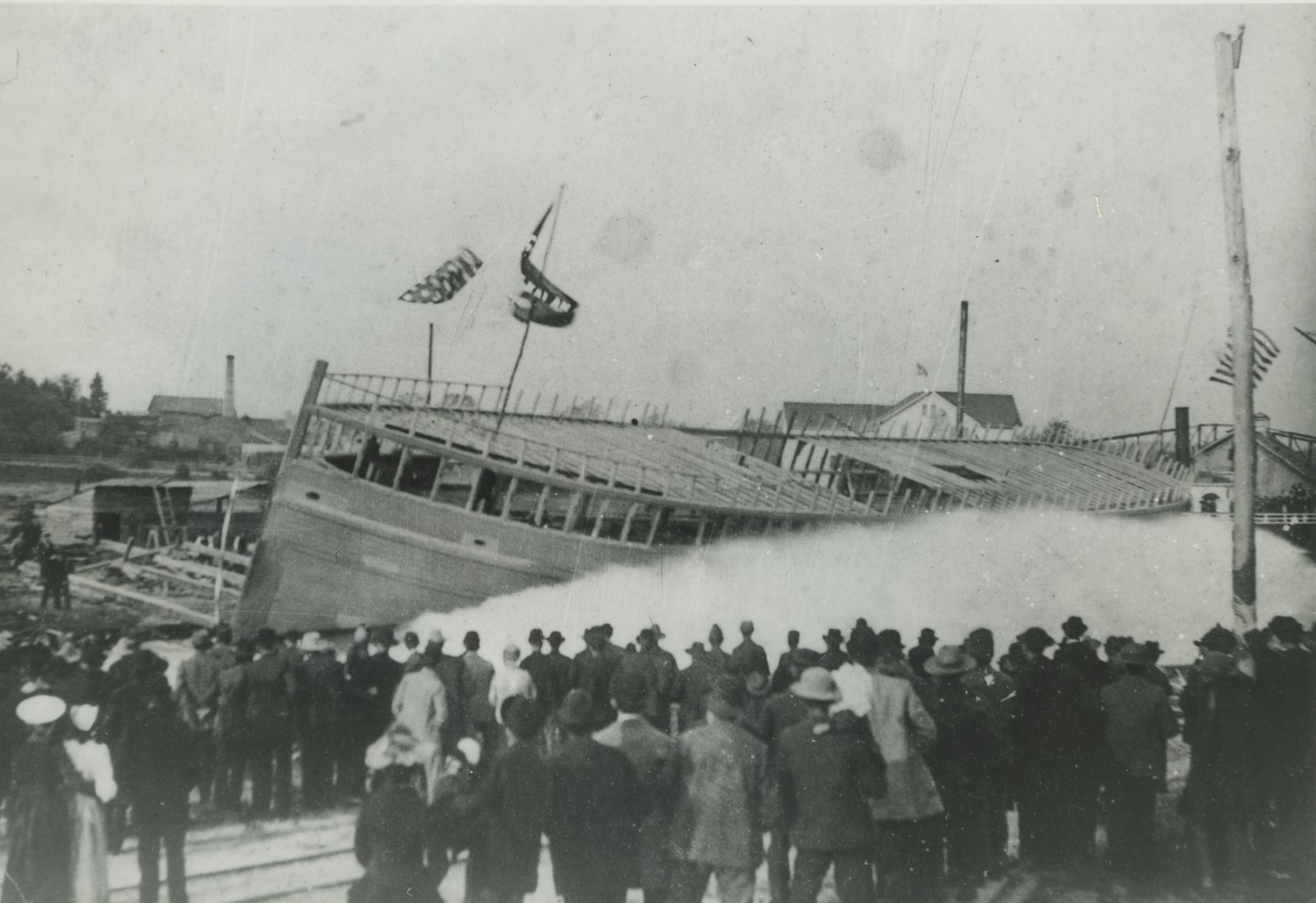
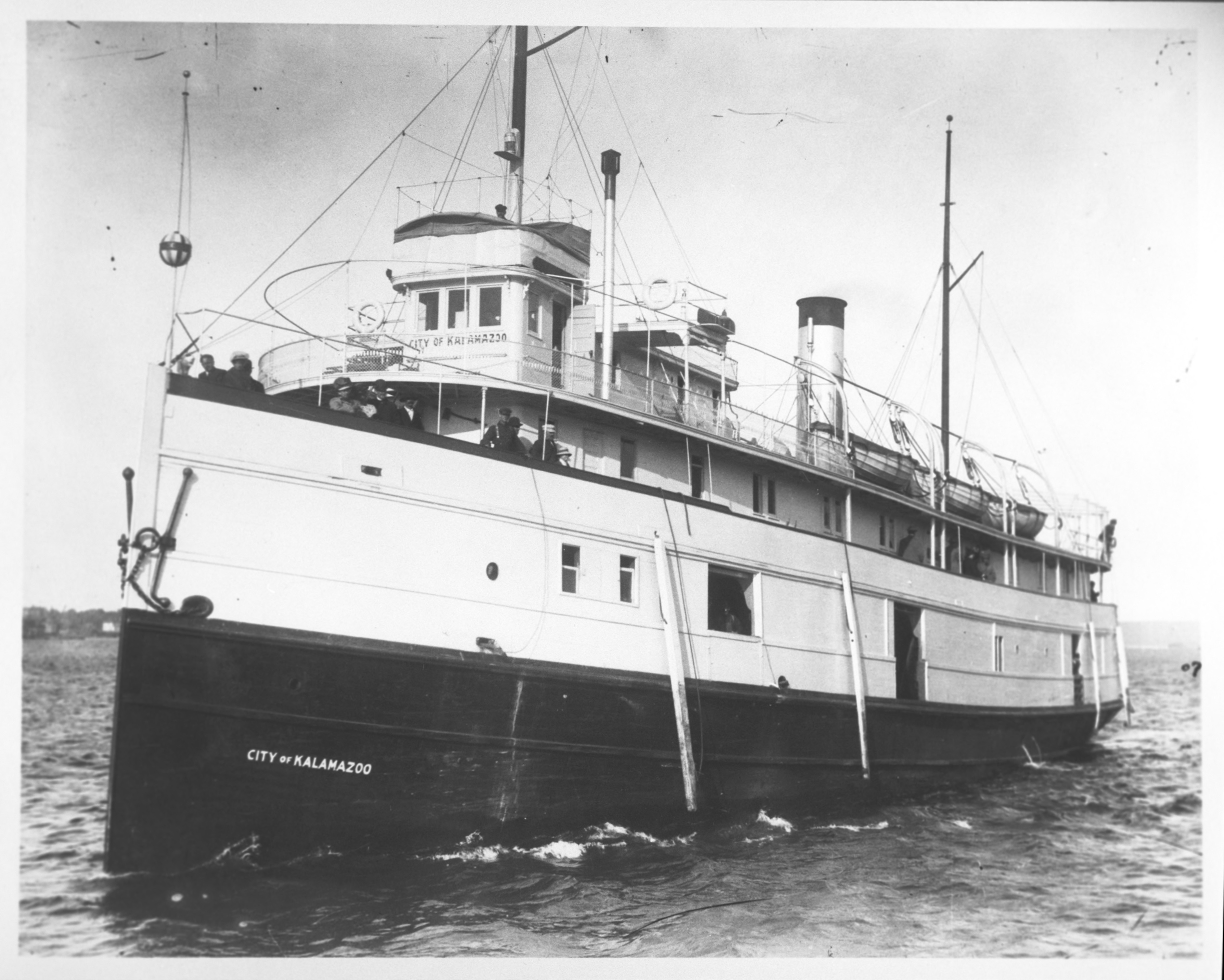
Built by John B. Martelle in 1892 to carry passengers from South Haven, Michigan to the World’s Columbian Exposition in Chicago, Illinois, the steamer
City of Kalamazoo has a long history of filling multiple roles on the water.
City of Kalamazoo’s first expedition did not go well, with all of its passengers getting seasick due to rough water; the ship had to stop before its destination due to waters being too high to enter South Haven Harbor, the passengers were recommended to take the rail home. In 1893 it was temporarily commissioned for the fruit trade. The ship caught fire on November 30, 1896, leading to three crew members losing their lives: Robert Van Ostrand, Rosa Gowens, and Joseph Lang. It then faced two more fires in 1911, the second one could not be stopped, causing the ship to burn to the waterline as bystanders watched from shore. The sunken ship was sold to the McKennon & Scott Company in 1912, who recovered it in 1913 and towed it to Sturgeon Bay, Wisconsin. Mckennon & Scott transferred ownership to the Greilin Brothers of Green Bay, Wisconsin, who converted it into a barge for use in stone trade. The ship became relatively obscure after its conversion.
Final Voyage
On September 5, 1922, while the tug
Satisfaction was towing
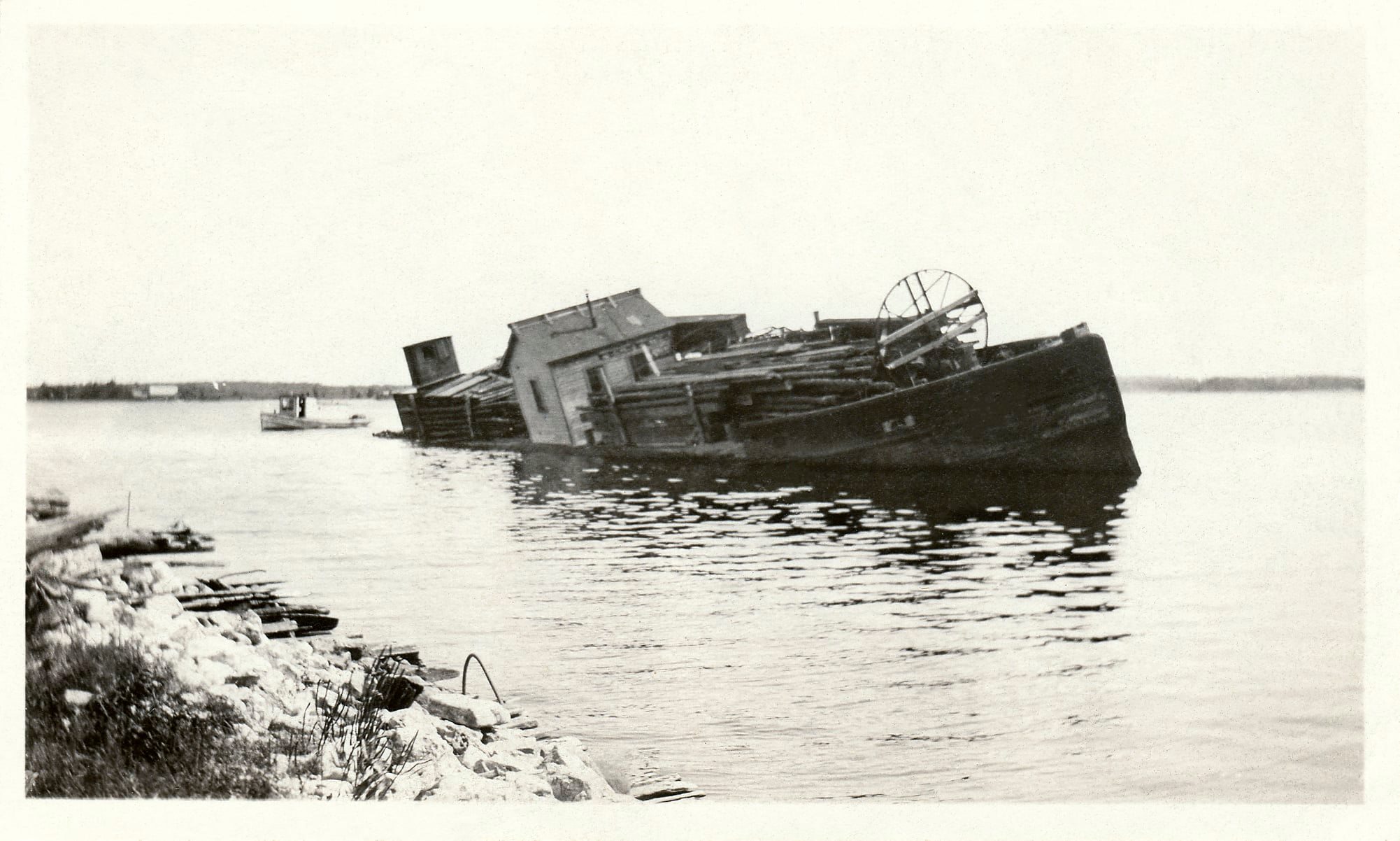
City of Kalamazoo in search of shelter from a blow on the Bay of Green Bay, the barge was dragged over a rocky reef as the two steamed into Little Sturgeon, Wisconsin. A hole was smashed into the bottom of the ship, causing it to leak badly. It was brought into the pier at Little Sturgeon, unloaded of its cargo, and allowed to sink. By the time of its sinking, the
City of Kalamazoo had received extensive modifications, making a unique example of wooden steamer construction and modification.
Today
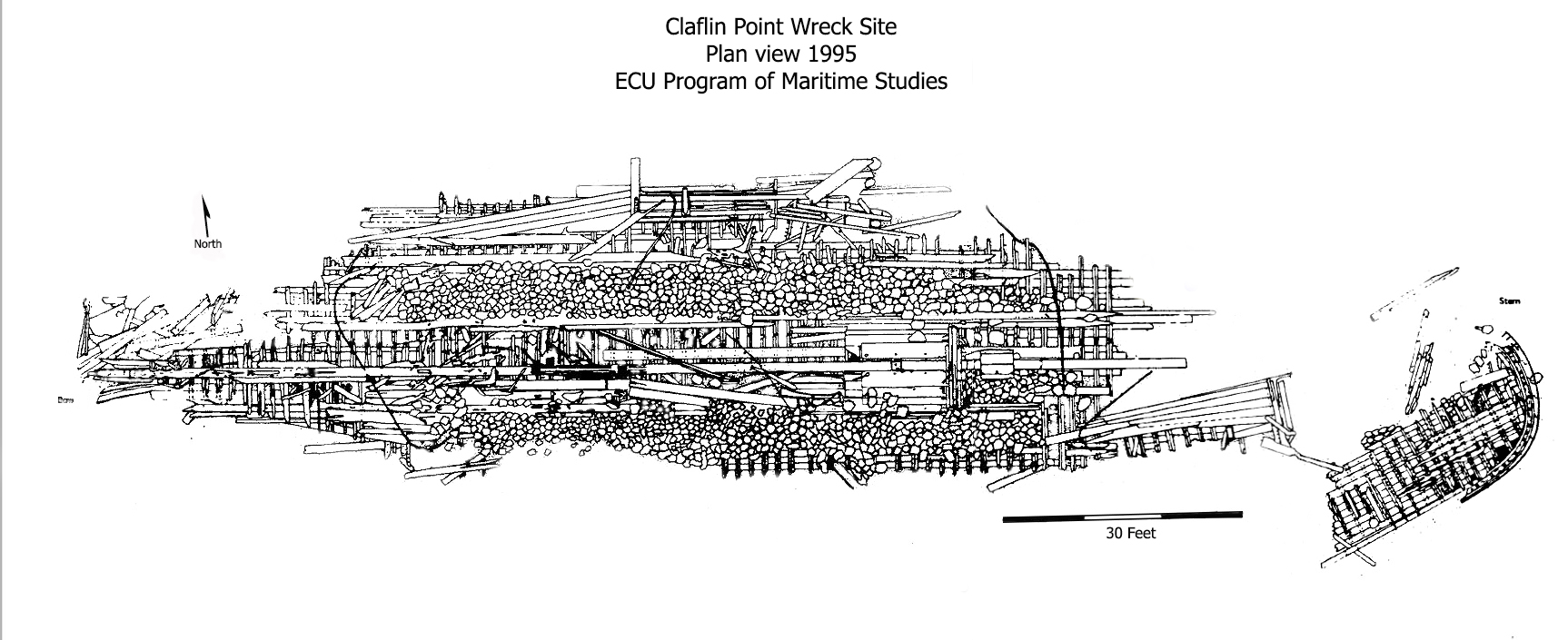
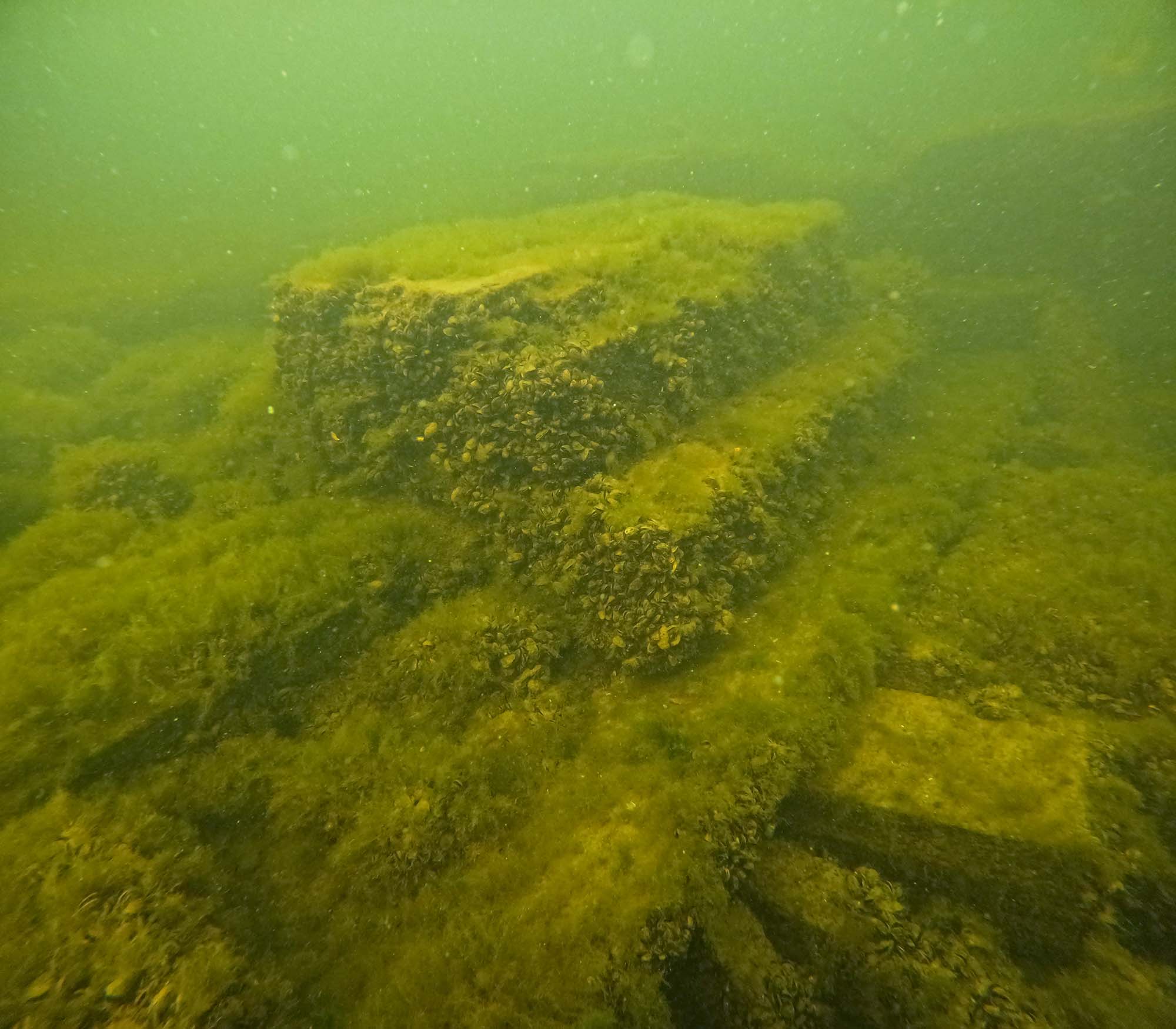
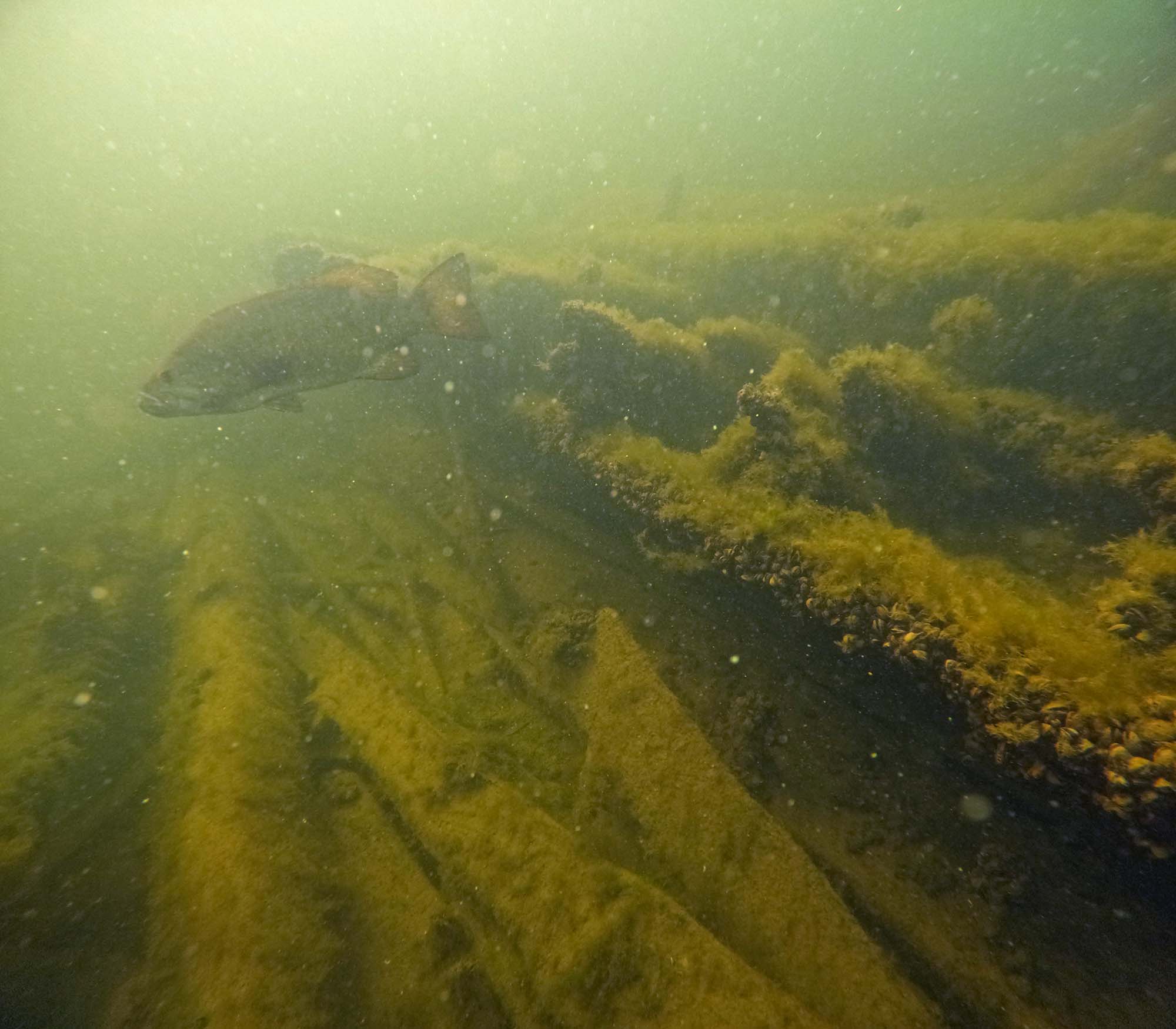
A photo from 1922 of the shipwreck was shared in 2021 due to its unusual nature, the post asked for any historians to identify what ship it may be. William Lafferty, marine historian, identified it. The work by WUAA in 2022 was conducted with side scan sonar to verify the features and boundary coordinates of the Claflin Point Site, and to collect data from the shipwreck to verify its identity as the City of Kalamazoo.

 Confirmed Location
 Unconfirmed location